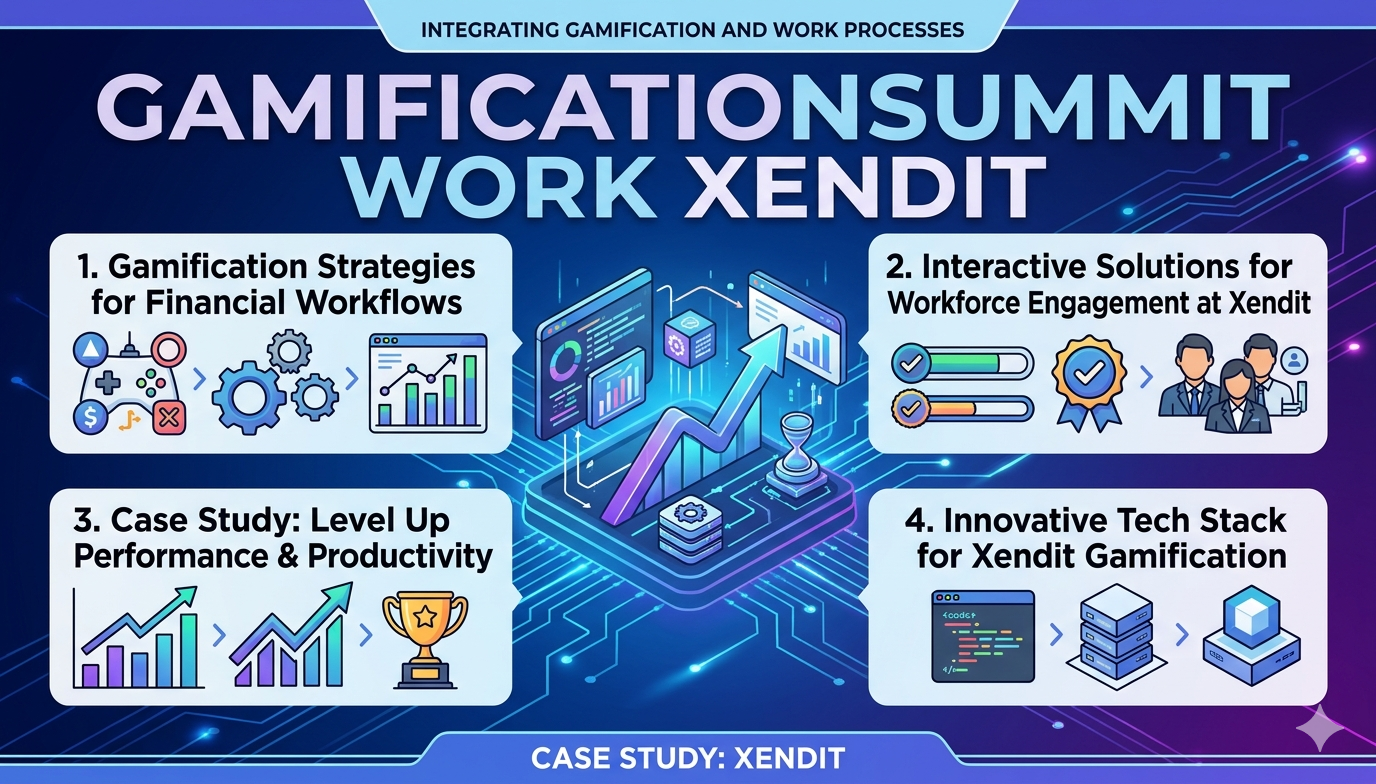
gamificationsummit work xendit: Transforming Workplace Engagement and Innovation
In the rapidly evolving digital era, organizations are constantly seeking innovative ways to enhance productivity, employee engagement, and customer satisfaction. Traditional methods of management and communication are gradually being replaced by dynamic, technology-driven strategies. Among these, gamification has emerged as a transformative approach that integrates game-like elements into non-game environments to motivate participation and improve outcomes.
The concept of gamification is not entirely new, but its application in professional ecosystems has significantly expanded in recent years. Events, platforms, and collaborative initiatives have begun to leverage gamification to drive innovation and create more interactive experiences. One such concept that has gained attention is gamificationsummit work xendit, which symbolizes the intersection of gamification, workplace collaboration, and fintech-driven ecosystems.
Understanding Gamification in Modern Work Culture
Gamification refers to the use of game mechanics—such as points, leaderboards, badges, and challenges—in non-gaming contexts. In workplaces, it is used to encourage employees to complete tasks, engage with colleagues, and achieve organizational goals in a more enjoyable and motivating way.
The rise of gamificationsummit work xendit highlights how businesses are integrating these principles into their operational frameworks. By creating environments where employees feel rewarded and recognized, organizations can foster a culture of continuous improvement and enthusiasm.
Gamification taps into intrinsic human motivations such as competition, achievement, and social interaction. When implemented effectively, it transforms routine tasks into engaging experiences, ultimately boosting morale and productivity.
The Role of Technology in Driving Engagement
Technology plays a crucial role in enabling gamification strategies. Advanced software platforms, mobile applications, and cloud-based tools allow organizations to design and implement interactive systems that track progress, provide feedback, and reward achievements.
The integration of gamificationsummit work xendit into digital ecosystems demonstrates how technology can enhance engagement at multiple levels. From onboarding new employees to managing large-scale projects, gamified solutions offer a flexible and scalable approach to workforce management.
Artificial intelligence and data analytics further enhance these systems by providing insights into user behavior, preferences, and performance. This allows organizations to tailor experiences to individual needs, making gamification more effective and personalized.
Enhancing Employee Motivation and Productivity
Employee motivation is a critical factor in organizational success. Traditional incentive systems often fail to sustain long-term engagement, as they rely heavily on external rewards such as bonuses or promotions.
Gamification offers a more sustainable approach by incorporating elements of fun and achievement into everyday tasks. The concept of gamificationsummit work xendit illustrates how organizations can create environments where employees are motivated not just by rewards, but by the experience itself.
For example, employees can earn points for completing tasks, unlock badges for achieving milestones, and compete on leaderboards with their peers. These elements create a sense of accomplishment and encourage continuous participation.
Moreover, gamification fosters a sense of ownership and accountability. When employees can track their progress and see their contributions reflected in real-time, they are more likely to stay engaged and committed to their work.
Building Collaborative Work Environments
Collaboration is essential for innovation and growth. However, fostering effective teamwork can be challenging, especially in remote or hybrid work environments.
Gamification provides a unique solution by encouraging collaboration through shared goals and team-based challenges. The framework of gamificationsummit work xendit emphasizes the importance of creating collaborative ecosystems where individuals can work together to achieve common objectives.
Team-based games, collaborative missions, and group rewards can strengthen relationships among employees and improve communication. These activities not only enhance teamwork but also create a sense of community within the organization.
In addition, gamification can break down hierarchical barriers by creating a more inclusive and interactive environment. Employees at all levels can մասնակցate equally, contributing their ideas and skills to the collective success of the organization.
The Impact on Customer Engagement
Gamification is not limited to internal operations; it also plays a significant role in enhancing customer engagement. Businesses are increasingly using gamified experiences to attract, retain, and delight customers.
The concept of gamificationsummit work xendit reflects how organizations can extend gamification strategies beyond the workplace to create meaningful interactions with customers. Loyalty programs, interactive campaigns, and personalized experiences are just a few examples of how gamification can be applied in customer engagement.
By offering rewards, challenges, and interactive content, businesses can create a more immersive experience for their customers. This not only increases customer satisfaction but also strengthens brand loyalty and drives long-term growth.
The Role of Fintech in Gamified Ecosystems
Financial technology, or fintech, has revolutionized the way businesses manage transactions, payments, and financial operations. When combined with gamification, fintech can create powerful ecosystems that enhance both user experience and operational efficiency.
The integration of gamificationsummit work xendit highlights the potential of combining gamification with fintech solutions. For instance, digital wallets, payment platforms, and financial dashboards can incorporate gamified elements to encourage usage and engagement.
Users can earn rewards for completing transactions, achieving financial goals, or participating in promotional activities. These incentives not only drive engagement but also promote financial literacy and responsible behavior.
In addition, fintech-driven gamification can provide real-time feedback and insights, enabling users to make informed decisions and improve their financial well-being. website gamificationsummit method ticket sales
Global Trends and Adoption
The adoption of gamification is not limited to a specific region or industry. Organizations around the world are embracing this approach to enhance engagement and drive innovation.
In the United States, for example, many companies have integrated gamification into their corporate strategies to improve employee performance and customer satisfaction. The growing popularity of gamificationsummit work xendit reflects a global trend toward more interactive and engaging work environments.
Industries such as healthcare, education, retail, and finance are leveraging gamification to address various challenges and achieve their goals. From training programs to customer loyalty initiatives, gamification is proving to be a versatile and effective tool.
Challenges and Considerations
While gamification offers numerous benefits, it is not without its challenges. Implementing a successful gamification strategy requires careful planning, design, and execution.
One of the key challenges is ensuring that the gamified system aligns with organizational goals and values. The concept of gamificationsummit work xendit underscores the importance of creating meaningful and relevant experiences that resonate with users.
Another challenge is maintaining user engagement over time. Gamification systems must be continuously updated and refined to keep users interested and motivated. This requires ongoing investment in technology, content, and user experience design.
Privacy and data security are also important considerations. Organizations must ensure that user data is protected and used responsibly, especially when leveraging advanced technologies such as AI and analytics.
The Future of Gamification in Workplaces
The future of gamification looks promising, with continued advancements in technology and increasing adoption across industries. As organizations strive to create more engaging and dynamic work environments, gamification will play an increasingly important role.
The evolution of gamificationsummit work xendit suggests that we can expect more integrated and sophisticated systems that combine gamification with other technologies such as virtual reality, augmented reality, and blockchain.
These innovations will enable organizations to create immersive and interactive experiences that go beyond traditional boundaries. Employees and customers alike will benefit from more personalized and engaging interactions.
Moreover, gamification will continue to evolve as a strategic tool for driving innovation, improving performance, and fostering collaboration.
Best Practices for Implementation
To maximize the benefits of gamification, organizations should follow best practices that ensure effective implementation and sustainable success.
First, it is important to clearly define objectives and outcomes. The framework of gamificationsummit work xendit emphasizes the need for alignment between gamification strategies and organizational goals.
Second, organizations should focus on user experience. Gamified systems should be intuitive, engaging, and easy to use. This includes designing meaningful rewards, challenges, and feedback mechanisms.
Third, continuous monitoring and evaluation are essential. Organizations should use data and analytics to assess the effectiveness of their gamification strategies and make necessary adjustments.
Finally, fostering a culture of innovation and experimentation is key. Gamification should be seen as an evolving process that adapts to changing needs and preferences.
Conclusion
Gamification has emerged as a powerful tool for enhancing engagement, productivity, and innovation in modern workplaces. By integrating game-like elements into everyday tasks, organizations can create more dynamic and interactive environments that motivate employees and delight customers.
The concept of gamificationsummit work xendit represents the convergence of gamification, technology, and collaboration in shaping the future of work. As organizations continue to explore new ways to engage their workforce and customers, gamification will remain a central component of their strategies.
While challenges exist, the potential benefits far outweigh the risks. With careful planning, thoughtful design, and continuous improvement, organizations can harness the power of gamification to achieve their goals and drive long-term success.
As we move forward, the integration of gamification with emerging technologies will open new possibilities and redefine the way we work, interact, and innovate.